With fuel and electricity costs continuing to place pressure on margins, improving furnace efficiency is no longer simply a technical aspiration. It is a commercial necessity.
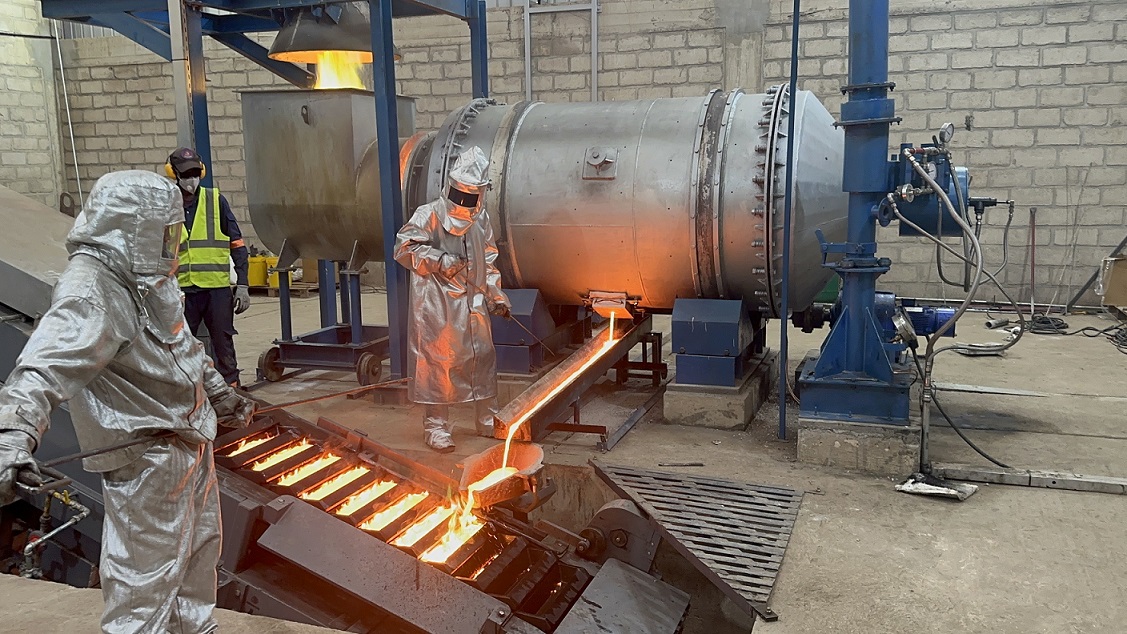
Industrial furnaces routinely operate at temperatures exceeding 1,000 degrees Celsius. At these levels, even small inefficiencies can translate into substantial energy losses. In practice, a significant proportion of input energy is not used to heat the product, but is instead lost through exhaust gases, radiation from furnace surfaces, openings during charging, and periods of idle operation. Identifying and quantifying these losses is often the first step in Monometer’s consultancy work, providing a clear baseline from which improvements can be measured.
Optimising combustion
From Monometer’s experience in furnace assessment, design and upgrade projects, combustion control remains one of the most effective levers for improving efficiency. Incorrect air to fuel ratios are common in older installations, frequently resulting in excess air being introduced into the system. This excess air absorbs heat and exits through the flue, increasing fuel consumption without adding productive value.
Modern combustion control systems allow precise adjustment of burners and continuous monitoring of oxygen levels. When correctly specified, commissioned and maintained, these systems reduce fuel use, improve temperature stability and lower emissions. As part of its consultancy service, Monometer regularly evaluates burner performance and control strategies to ensure they reflect current operating conditions rather than original design assumptions.
Reducing heat loss through insulation
Thermal insulation is another area where efficiency gains are frequently underestimated. Heat lost through furnace walls, roofs and doors represents wasted energy that must be continually replaced. Ageing refractory linings, damaged insulation and poorly sealed doors can significantly increase energy demand over time.
In many cases, Monometer finds that targeted refurbishment of refractory systems can deliver meaningful efficiency improvements without the need for full furnace replacement. Regular inspection and planned maintenance help prevent gradual losses that often go unnoticed until energy costs rise sharply.
Recovering waste heat
Exhaust gases are one of the largest sources of energy loss in industrial furnaces. Well engineered waste heat recovery systems capture a portion of this energy and reuse it within the process, reducing overall fuel consumption.
Recuperators are commonly used to transfer heat from exhaust gases to preheat combustion air or incoming material, while regenerators store and release heat cyclically. Through its consultancy work, Monometer focuses on ensuring that recovery systems are correctly matched to the operating profile of the furnace, delivering real efficiency gains without introducing unnecessary complexity or operational risk.
Operational practices and cycle time
Efficiency is not determined by equipment design alone. Operating practices have a direct impact on both energy consumption and productivity. Frequent door openings, extended idle periods and inefficient production scheduling all increase heat losses.
Importantly, improvements in operational practice often deliver the largest overall energy savings because they reduce total cycle time. When a furnace reaches temperature more quickly and spends less time firing, fuel consumption falls accordingly. The additional benefit is increased furnace throughput, allowing more product to be processed within the same operating window. Monometer’s consultancy approach considers these operational measures as a priority, as they combine reduced energy use with higher productivity.
Conclusion
Real energy savings in industrial furnaces are achieved through a combination of sound engineering, disciplined operation and targeted investment. By addressing combustion performance, insulation condition, waste heat recovery and operational practices together, companies can reduce energy use while improving reliability and output.
When treated as an ongoing process rather than a one time intervention, energy efficiency becomes a lasting competitive advantage and a clear example of best practice in industrial thermal processing.
Key Takeaways
• Most furnace energy losses occur through exhaust gases, surfaces and idle operation
• Combustion optimisation is often the fastest route to measurable savings
• Insulation condition directly affects long term energy performance
• Waste heat recovery must be engineered to suit the specific process
• Reducing cycle time delivers major energy savings and increases productivity