As the Christmas period approaches, many manufacturing and processing sites begin preparing for reduced staffing, shutdowns or maintenance windows. This makes December an ideal time to inspect and service drum handling equipment, ensuring everything is safe, reliable and ready for the new year.
A well-planned maintenance routine helps reduce downtime, extend equipment life and protect operators from avoidable risks. Whether you use drum handling forklift attachments, drum rotators, drum lifting grabs or cask handling equipment, the checks outlined below will help keep your operation running smoothly.
Why end-of-year maintenance matters
For many companies, the period before Christmas is either the busiest time of the year or the calmest. Both scenarios can expose weaknesses in equipment:
• High production levels place extra stress on lifting attachments
• Reduced teams increase the likelihood of shortcuts or unsafe workarounds
• Cold, damp conditions can accelerate wear and corrosion
• Any failure in January can delay customer orders at a crucial point in the calendar
Many sites also operate with reduced staffing, planned shutdown periods or maintenance windows over Christmas. This makes December the ideal moment to carry out inspections, replace worn components and ensure equipment is ready before normal operations resume. Addressing issues now helps avoid unplanned downtime when full production returns in the new year.
Seasonal drum handling risks to factor in
Winter working conditions add a layer of complexity to drum handling. Cold warehouses, condensation, slippery yards and reduced visibility can all contribute to reduced grip, slower reactions and handling errors. At the end of a long year, staff fatigue can also play a part. Guidance such as the HSE workplace safety advice reinforces the importance of preparing for seasonal conditions. Ensuring that attachments are in good condition helps reduce these risks and keeps operators safer throughout the season.
Why mechanical attachments excel in cold temperatures
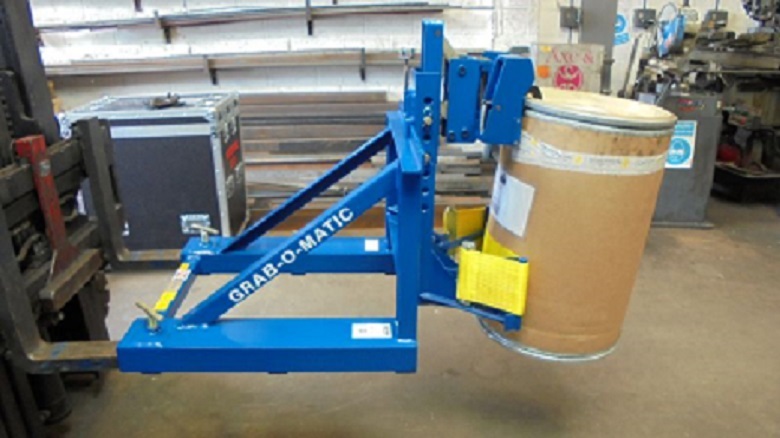
Many handling attachments experience reduced efficiency in winter due to oil thickening, brittle plastics or slow hydraulic response. Grab-O-Matic drum handling equipment is not affected by these issues because it is entirely mechanical, with no hydraulics, electronics or plastic components.
This makes the system exceptionally stable in low temperatures, offering reliable performance from –40 °C to +50 °C. For operations working outdoors, in unheated storage, or in cold warehouses, this reliability reduces the likelihood of equipment failure, improves safety and helps maintain productivity at a time of year when conditions are at their toughest.
Your essential end-of-year drum handling maintenance checklist
1. Inspect structural components
Check the frame, arms, jaws and load-bearing sections of your drum handling attachments for any cracks, deformities or signs of fatigue. Small defects can develop into structural failures, especially on equipment that handles heavy or hazardous drums. Referencing PUWER regulations guidance can help ensure compliance with inspection requirements.
2. Review attachment points and securing mechanisms
Ensure all clamps, bolts, locking mechanisms and quick-release systems are functioning correctly. Loose or worn fixings can compromise stability. If in doubt, speak to our team through maintenance and servicing support.
3. Examine gripping surfaces
Look for wear on pads, jaws or gripping bands. Reduced grip increases slippage risk, especially on metal or plastic drums that may be damp or cold.
4. Check hydraulic parts
Inspect hoses, seals, couplings and oil levels on any hydraulically operated attachments. Look for leaks, cracks or slow response times. St Clare Engineering drum handling equipment is free of hydraulic parts, removing the need to check these systems. However, we work with B&B attachments who do provide hydraulic drum handling equipment.
5. Test movement and rotation
Ensure drum rotators and tilting attachments move smoothly throughout their full range. Tight spots or resistance can indicate internal wear or lack of lubrication. If persistent, consider whether a custom drum handling solution is needed
6. Assess forklift compatibility
Verify that each attachment still matches the forklift’s rating and capacity. Any recent changes to trucks or load requirements may require adjustments or upgrades. Reviewing LOLER regulations guidance can support safe lifting operations: check out our blog on how our forklift truck drum handling attachments meet relevant regulations.
7. Review safety labelling and documentation
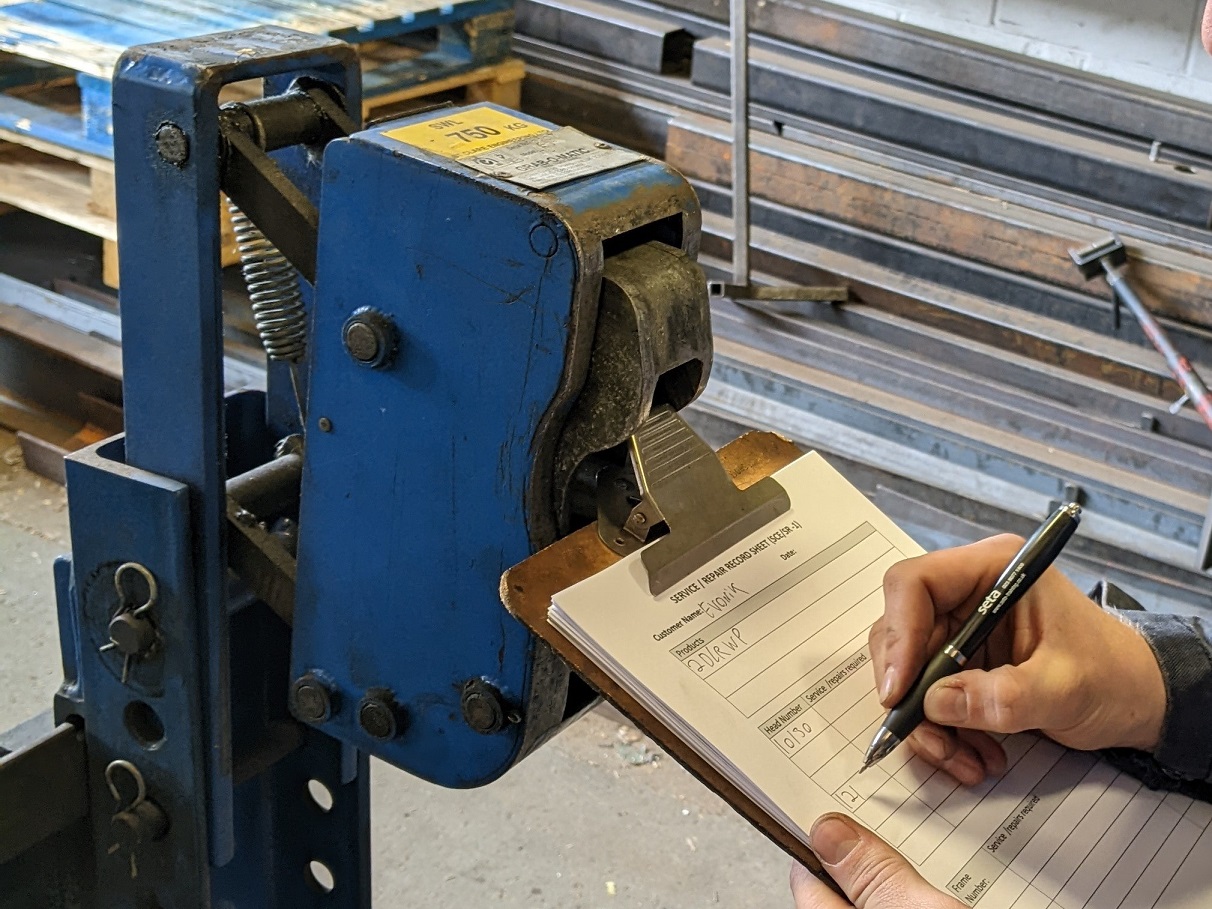
Make sure all identification plates, safe working load labels and instruction manuals are present, legible and up to date.
8. Clean and lubricate
Remove any buildup of dust, grease or product residue. Lubricate moving parts where recommended by the manufacturer.
9. Check operator training and refresher needs
Maintenance is only part of safe operation. Consider whether any team members need refresher training, especially if roles rotate during the festive period. Resources such as HSE manual handling guidance and CIPD fatigue and shift work guidance can offer useful support.
10. Schedule servicing or replacement
If you identify issues that cannot be fixed in-house, book professional servicing before returning to peak activity in January. Replacing worn components early often prevents more serious failures. St Clare Engineering offers full inspection, service, test and certification of all Grab-O-Matic drum handlers in the UK. We also offer drum handling equipment for loan or hire free of charge (except transport cost) while your unit is with us being serviced or repaired.
For our overseas customers we carry a full stock of Service Kits and Spares on the shelf ready for immediate despatch worldwide.
Planning for 2025
If your checks highlight recurring issues, it may be worth reviewing your current handling equipment. Upgrading to purpose-built drum handling forklift attachments such as barrel and cask handling equipment can improve control, safety and throughput for the year ahead.
St Clare Engineering supplies drum, barrel and cask handling equipment to operations across the world, helping teams handle loads safely all year round. If you need advice on servicing, selecting the right attachment or replacing worn equipment, contact our technical team today.
FAQs
1. What checks should I carry out on drum handling equipment before the Christmas shutdown?
Before the festive shutdown, you should inspect structural parts for cracks, check gripping surfaces, review attachment points, test movement, assess hydraulic condition and make sure all safety labels are visible. It is also important to clean and lubricate the attachment and confirm it still matches your forklift’s rating. These checks help prevent failures when operations resume in January.
2. Why is winter a higher-risk period for drum handling?
Winter increases risks because cold temperatures reduce grip, condensation forms on drums, yards can become slippery and visibility is often lower. Staff availability may also be reduced. These factors make safe, well-maintained equipment especially important during the colder months.
3. Can Grab-O-Matic drum handling attachments operate safely in low temperatures?
Yes. Grab-O-Matic attachments are designed for very cold environments. Because they are fully mechanical with no hydraulics or plastic components, they are not affected by freezing conditions. They operate reliably from –40 °C to +50 °C, making them suitable for cold warehouses and outdoor winter handling.
4. How do I know if my drum handling attachment needs servicing or replacement?
If you notice worn gripping surfaces, slow or stiff movement, loose fixings, damaged hydraulic parts or any structural deformation, the attachment should be serviced. If faults reoccur or structural damage is present, replacement may be the safer and more cost-effective option. Regular inspections help identify issues early.
5. Do I need to retrain operators before the busy festive period?
It is good practice to offer refresher training before a busy or reduced-staff period. Changes in workflow, temporary staff or altered shift patterns can increase risk. A short refresher on safe handling procedures and equipment checks can help maintain safety and productivity.
6. What are the benefits of doing maintenance during a planned shutdown?
A planned shutdown gives you time to complete inspections, replace worn parts and carry out servicing without disrupting production. It also ensures equipment is ready for the new year, reducing the chance of breakdowns when demand increases. Many companies use the Christmas period as a practical maintenance window.