As foundries face increasing pressure to reduce emissions and improve efficiency, electric melting is receiving considerable attention. But what happens when grid capacity is limited, or when available scrap presents challenges that induction melting alone cannot economically overcome?
The choice between electric and fuel-fired melting depends on more than energy consumption. Scrap quality, metal recovery, fuel availability and production requirements all influence the most effective solution.
When electrification meets reality
Induction furnaces offer efficient energy transfer, precise temperature control and no combustion emissions at the furnace itself. However, secondary metal processors frequently handle scrap containing oils, coatings, dirt and oxides, increasing slag formation and processing requirements.
For copper recyclers handling mixed or contaminated scrap, and aluminium processors recovering metal from difficult secondary materials, feedstock characteristics can be particularly important.
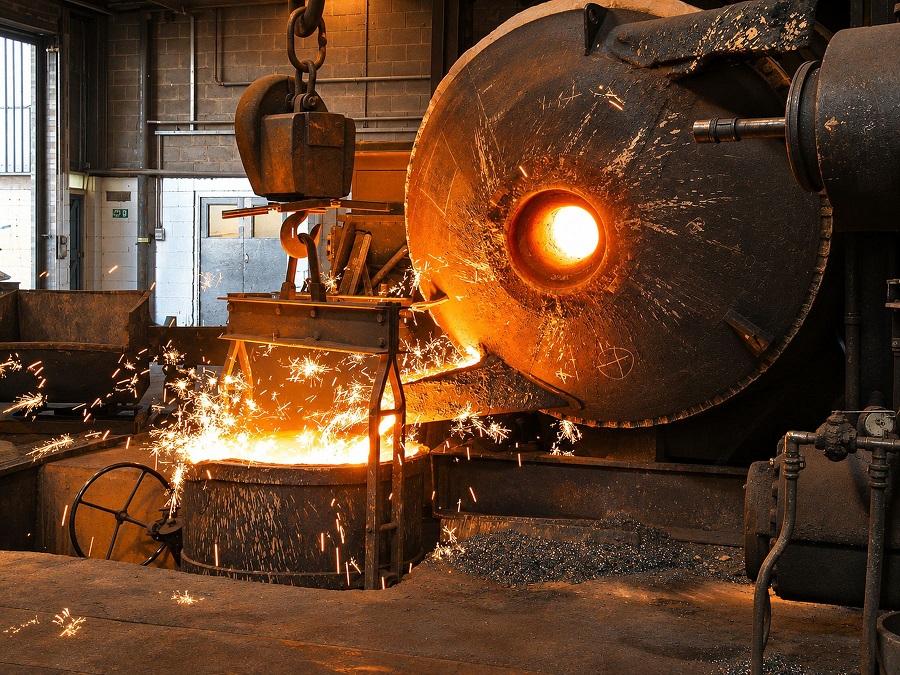
Fuel-fired rotary furnaces offer distinct advantages in suitable recovery applications. Their rotating action and controlled heating conditions enable challenging materials to be processed effectively, potentially improving metal recovery and reducing preparation requirements.
Electrical infrastructure is another consideration. A 1 MW induction installation may require costly grid upgrades and lengthy connection delays, significantly affecting project viability.
Fuel flexibility and energy recovery
Fuel-fired rotary furnaces can accommodate a range of gaseous and liquid fuels, depending on burner and furnace design. Conventional options include natural gas, LPG and fuel oil.
Monometer's experience supplying furnaces to international markets highlights the importance of local fuel availability and cost. While natural gas, LPG and conventional fuel oils are widely used, alternative fuels, including suitably processed recovered industrial oils such as hydraulic and gearbox oils, can offer economic advantages in certain markets. Fuel selection must, however, comply with local environmental regulations, with waste-derived fuels subject to particularly stringent controls in countries such as the UK.
Energy efficiency extends beyond the burner. In copper melting operations, for example, skip-hoist charging can be integrated with charge preheating, using heat recovered from furnace exhaust gases to reduce the energy required to melt incoming material.
Advances in combustion control, burner technology and integrated heat-recovery systems provide further opportunities to improve the performance of fuel-fired installations.
Combining technologies
Electric and fuel-fired melting need not be competing solutions. In suitable applications, duplex melting allows different technologies to perform the operations for which they are best suited.
A fuel-fired rotary furnace may process challenging scrap and recover valuable metal, followed by electric treatment for precise temperature adjustment or metallurgical control.
In iron foundries, rotary receivers can complement primary melting equipment, providing molten-metal holding, superheating and metallurgical adjustment. Monometer's experience with such arrangements demonstrates the value of integrating complementary technologies to meet specific production requirements.
Duplex melting is not automatically the most economical approach. Additional equipment, molten-metal handling and heat losses must be justified by improvements in recovery, flexibility or production performance.
Looking beyond energy consumption
Energy consumption per tonne melted remains an important performance measure, but usable metal recovery can be equally significant. In copper and aluminium recycling, even relatively small differences in metal yield can materially affect production economics.
A meaningful comparison must consider electricity and fuel costs, grid infrastructure, metal recovery, maintenance, emissions treatment, capital investment and opportunities for waste-heat utilisation.
Environmental performance also depends on the complete process, including electricity generation, fuel selection and material recovery.
Ultimately, the most effective melting solution is not necessarily the one consuming the least energy at the furnace, but the one delivering the best technical, environmental and commercial outcome across the entire operation.