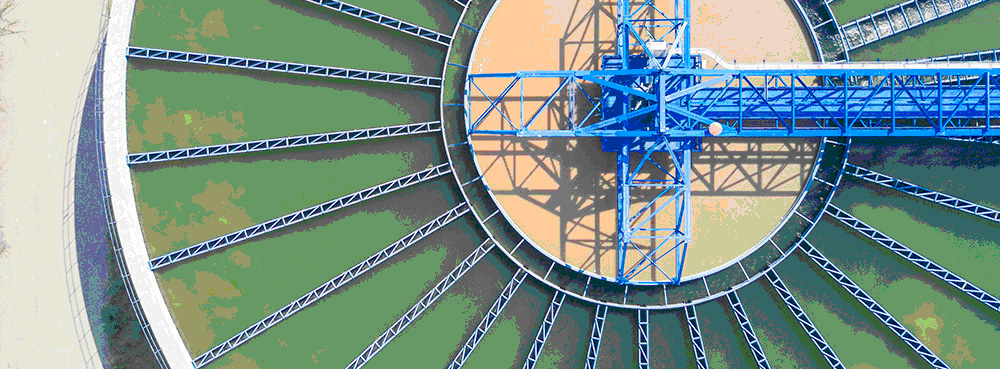
From drinking water to crop irrigation to support the food supply, properly treated wastewater is essential to prevent disease and protect the environment. On average, 144 litres of water per person per day is supplied to households in Europe, so it’s no surprise that that there are around 18,000 wastewater treatment plants across the continent.
This vital workforce is often exposed to remote and demanding environments along with a range of hazardous chemicals used in the water treatment process.
Chlorine and chloramine are the major disinfectants used in public water systems. Within the UK, water companies are required to meet the EU Drinking Water Directive by disinfecting public water to the point of supply to prevent disease-causing bacteria and viruses such as salmonella and norovirus. Various processes are used to achieve safe levels of chlorine in drinking water.
However, chlorine in its natural form is toxic and highly corrosive. The liquefied gas can chill or freeze the skin upon contact, symptoms of this frostbite range from numbness, prickling, and itching through to a more severe burning sensation which can cause blistering and infection.
The use of safety goggles and protective clothing is recommended, as well as the provision of eye wash and safety shower facilities for contact or splash hazards.